
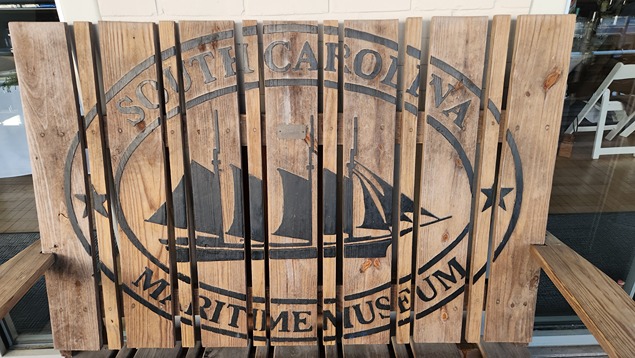
Wedding Rehearsal Dinner at Georgetown Maritime Museum
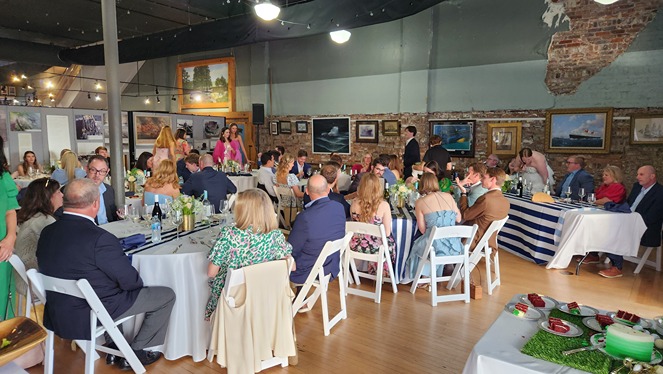 Last Friday, I played a rehearsal dinner at the South Carolina Maritime Museum, and it ended up being one of those gigs that reveals something important—not just about the venue, but about what actually makes an event work.
On paper, it’s a relatively simple space. It’s not a ballroom, it’s not a high-end resort, and it doesn’t rely on over-the-top production. But by the end of the night, it was clear why couples choose it—and why spaces like this are often more powerful than more “impressive” venues.
The Setup: One Room, Two Worlds
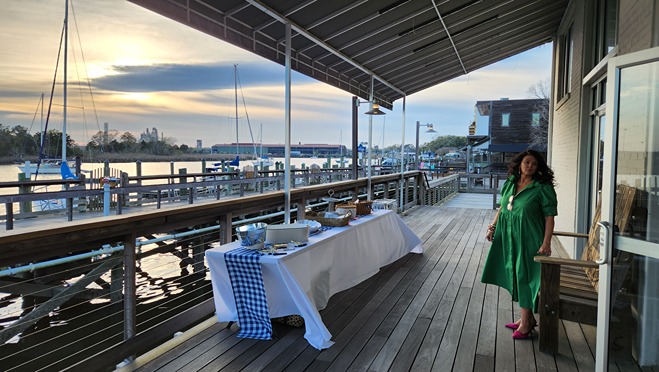
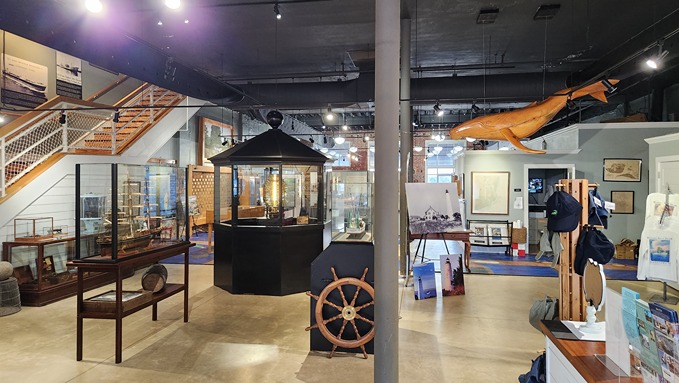
 I set up inside the main room, right next to a large wooden boat exhibit—remains of an early American vessel that immediately gives the space a sense of history and character. From there, I ran a second speaker out onto the deck overlooking the Sampit River.
That one decision changed everything.
Inside, people were seated, talking, and eating. Outside, people were moving, walking the Harborwalk, leaning on the railing, and taking in the view. Instead of choosing between “inside vibe” or “outside vibe,” the event had both—connected by sound.
That’s not a small detail. That’s the difference between background music and a cohesive experience.
What the Venue Gets Right
 I spoke with Julie, who helps run evening programs at the museum, and her explanation was simple—but telling.
The space works because:
- It’s right on the water, on the Sampit River
- It has an old building aesthetic people are drawn to
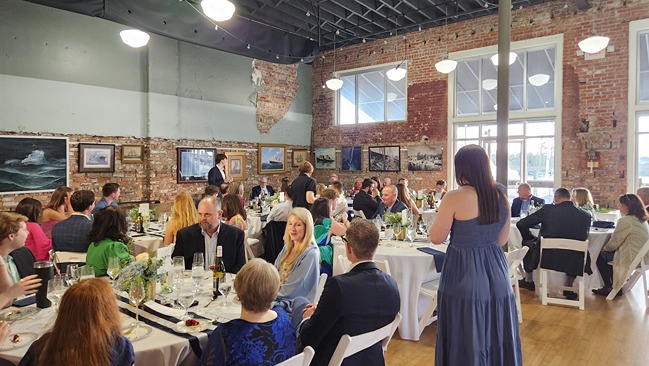
- It’s a large, open room that can be used flexibly
- There’s a small kitchen for caterers, and vendors are already familiar with the layout
- Guests can move through the museum itself during the event
That last point is more important than it sounds. People aren’t stuck at tables. The space is designed in a way that invites people to explore, wander, and engage with their surroundings.
Built-In Atmosphere
 Most venues try to create atmosphere artificially:
- lighting packages
- décor upgrades
- staging
This place already has it.
You’ve got:
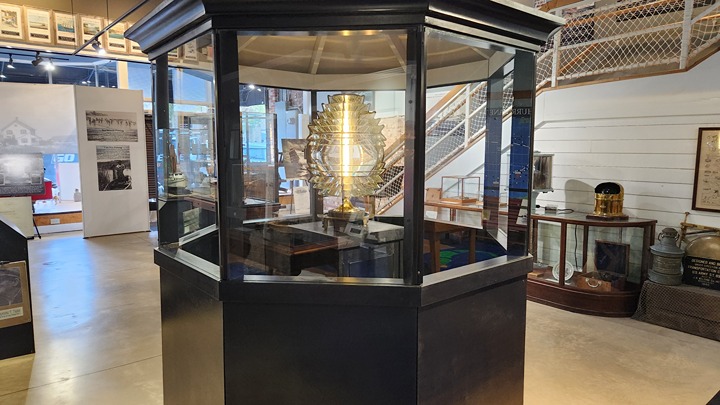
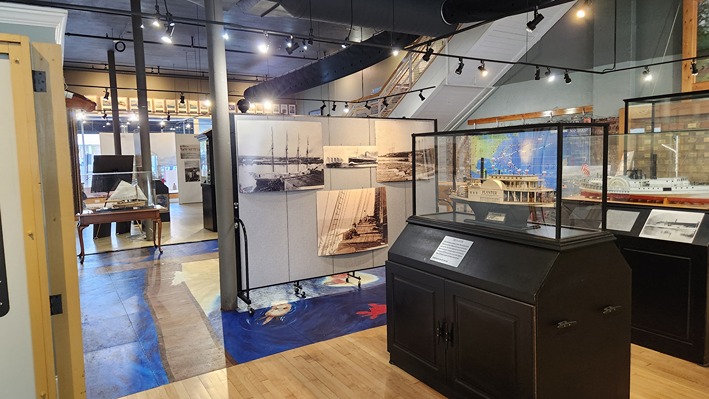
- historic exhibits (including a lighthouse Fresnel lens)
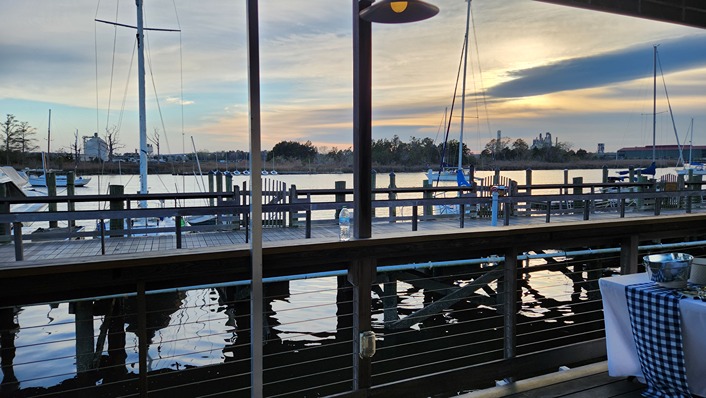
- waterfront views
- Harborwalk activity just outside
- historic downtown Georgetown, one of the oldest cities in South Carolina, as the backdrop
You don’t have to “add” character—it’s already there. It’s also part of an active waterfront setting that hosts events like the Wooden Boat Show and other community gatherings throughout the year.
Why It Works So Well for Rehearsal Dinners
 Rehearsal dinners don’t need to feel like weddings.
In fact, they shouldn’t.
They work best when they’re:
- relaxed
- social
- conversational
- slightly unstructured
This venue naturally supports that.
People can:
- sit and talk inside
- step outside for air and views
- walk the Harborwalk
- interact with the space
That’s not something you can manufacture with décor—it comes from how the space is structured.
What I Noticed as a Musician
 Here’s the part most people miss.
A venue like this doesn’t need a band to “fill space.”
It needs a musician who understands how to connect spaces.
Running sound both inside and outside:
- kept the energy consistent
- allowed people to move without losing the experience
- made the entire venue feel like one event instead of separate pockets
That’s a different job than just “playing songs.”
It’s about:
- reading movement
- shaping flow
- supporting the environment instead of competing with it
Timing Matters
One practical detail that came up in conversation:
- The museum is open six days a week, 11–5
- It hosts events like rehearsal dinners regularly
- It does not rent in June, July, or August due to sailing camp
- October is limited due to the large Wooden Boat Show
That’s worth knowing if you’re planning something here.
The Bigger Lesson
 After playing a lot of different venues—country clubs, private estates, restaurants, outdoor spaces—here’s what I’ve come to believe:
The best events don’t come from the most expensive venues.
They come from:
- spaces with character
- layouts that encourage movement
- environments that people want to be in
And when you combine that with live music that adapts to the space, something different happens.
The event stops feeling like a schedule—and starts feeling like an experience.
Final Thought
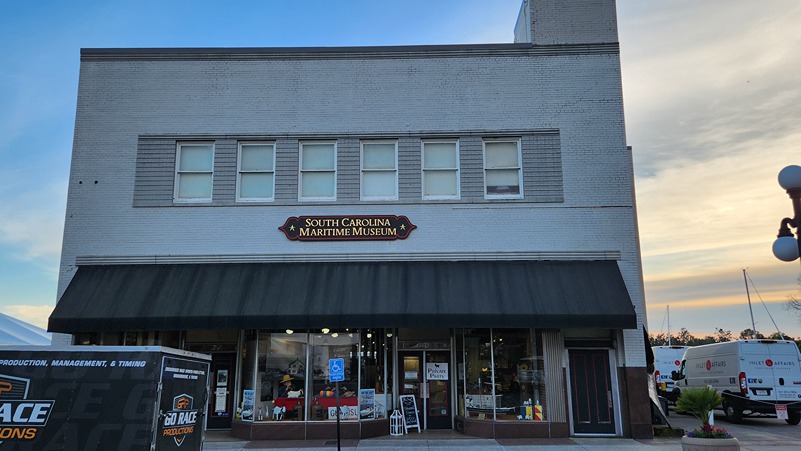 The Georgetown Maritime Museum isn’t trying to be the flashiest venue.
It doesn’t need to be.
It’s a place where:
- history
- water
- movement
- and music
can all work together naturally.
And when that happens, people don’t just attend the event—they remember how it felt.
If you want, next step I’d suggest:
We can tighten this into a version specifically aimed at booking couples or venues (same core, slightly sharper CTA).
—
If you are planning a wedding, private party, or corporate event and you want to explore your options for musicians to provide live music, book a free music consultation with me or simply write to me on the contact page.
