How Live Music Helped Transform Market Common Into a Community Gathering
When most people think about live music at a public event, they tend to think of it as atmosphere. Music fills silence, creates mood, adds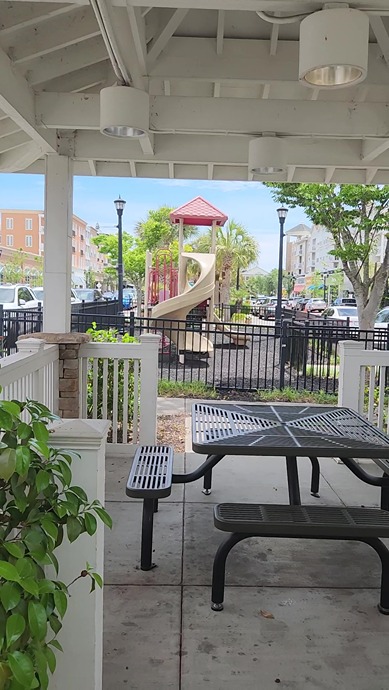 energy, and gives people something pleasant to hear while they shop, eat, or move through a public space. Those are all valid roles for live music, but I have long believed that music can do something much more meaningful when the right conditions are in place.
At its best, live music does not simply exist in the background. It creates connection, encourages participation, and helps strangers feel like they are sharing something together rather than merely occupying the same space. A recent performance I gave during Market Common Fashion Week in Myrtle Beach reminded me exactly why that distinction matters.
What began as what could have been a straightforward background music engagement gradually became something much more spontaneous and memorable. A quiet afternoon evolved into a shared experience where listeners became participants, strangers began interacting with one another, and music became the catalyst for a genuine sense of community. As someone who has only been living in Myrtle Beach for about six months, that experience meant far more to me than simply completing another performance.
Building a Musical Life in a New City
Moving to a new city as a musician creates a unique set of challenges. Even if you have years of experience, a strong résumé, and confidence in your craft, entering a new market means starting over in important ways. Relationships must be built, opportunities must be created, and people have to learn who you are before momentum can begin.
That has certainly been my experience in Myrtle Beach. Since arriving here, I have spent considerable time reaching out to venues, introducing myself to event organizers, building professional relationships, attending networking functions, and steadily working to become part of the local music and business community. None of that happens instantly, and it requires both patience and persistence.
Because of that, being invited to perform during Market Common Fashion Week felt meaningful before I even played a note. It represented more than a booking. It was one more sign that the work of planting seeds in a new community was beginning to produce opportunities.
Why Market Common Is Such a Natural Gathering Place
The Market Common occupies a unique place within Myrtle Beach. It is not simply a retail destination, nor does it feel like a conventional shopping center designed purely around transactions. Instead, it has been built as a walkable social environment where shopping, dining, events, recreation, and community life intersect.
That distinction matters tremendously when it comes to live performance. Some venues are designed for people to move quickly through them with minimal interaction. Others naturally encourage lingering, conversation, and spontaneous engagement, which creates fertile ground for music to become something more than background sound.
My performance took place on Howard Avenue as part of Market Common Fashion Week, which culminated in a larger fashion event later in the week. The promotional framing emphasized jazz, though I had flexibility in how I approached the performance musically. That combination suited me perfectly because it gave me enough structure to set a tone while still allowing me to adapt organically to the energy around me.
A Quiet Beginning
Like many public performances, the afternoon began in a fairly understated way. There were certainly people around, but the early energy was mellow, with shoppers moving through the area, families passing by, and no obvious indication that the music would become a focal point. In many ways, it initially resembled exactly the sort of event where live music serves as el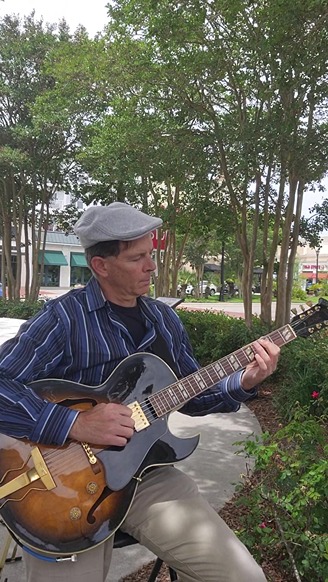 egant atmospheric support rather than active entertainment.
I was perfectly happy with that. Solo jazz guitar is something I genuinely enjoy, and a quieter environment can be ideal for instrumental playing because it allows the music to complement the setting without overwhelming it. There is something deeply satisfying about playing jazz standards in an open-air environment where the music can simply breathe.
So that is how I began. I played instrumental jazz, including tunes like Thelonious Monk’s “I Mean You (video excerpt here)” and settled into the idea that the afternoon would likely remain a tasteful musical backdrop for the surrounding activity. There is absolutely nothing wrong with that kind of performance when it suits the event.
The Listener Who Changed Everything
Then the energy began to shift.
A gentleman sat down at a picnic table directly in front of where I was performing and began listening intently. This was not the casual half-listening that often happens at public events while people scroll through their phones or wait for companions. He was clearly engaged with the music.
Any experienced performer knows how much that changes the experience. The moment you realize someone is truly listening, your own level of engagement rises. The music becomes less about projecting sound into a space and more about creating an exchange between human beings.
During a break, he introduced himself and explained that his presence was intentional. He had looked me up online, listened to my music beforehand, liked what he heard, and deliberately came out to hear me perform. As a musician still building recognition in a relatively new city, that was both encouraging and deeply meaningful.
The Energy Begins to Build
After that first meaningful interaction, the social energy around the performance began to change. More people started gathering near the picnic table. Some sat down and stayed for extended periods, while others initially paused only briefly before lingering longer than they probably expected.
What interested me most was not merely that more people were listening. It was that people who had not arrived together were beginning to interact with one another. Conversations started happening, requests began emerging, and the music was gradually becoming a social focal point rather than simply environmental sound.
This is where live music becomes especially powerful. While many people think of music as entertainment delivered from performer to audience, some of the most meaningful musical experiences happen when the performance becomes a catalyst for interaction among the people present. That was clearly beginning to happen at Market Common.
Expanding the Musical Conversation
As the crowd became more engaged, the musical approach naturally evolved. Instrumental jazz had worked beautifully in the quieter early phase, but a more interactive audience invited broader possibilities. I began incorporating vocal jazz standards alongside the instrumental material.
This kind of adaptability is one of the things I value most as a performer. Every audience and environment carries its own emotional energy, and the ability to respond in real time often determines whether a performance remains merely competent or becomes genuinely memorable. Flexibility allows music to meet people where they are.
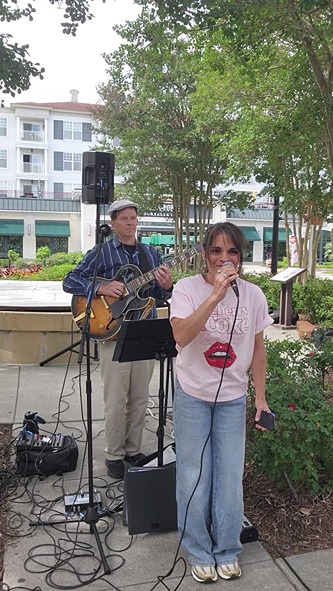
So the set began to expand. Instrumental jazz gave way to vocal jazz standards like “The Way You Look Tonight,” and the energy continued to grow. The event was gradually transforming into something much more dynamic than the quiet background performance many might have expected at the outset.
A Spontaneous Musical Collaboration
At one point, I noticed a young woman standing across the street listening intently. She was not shopping, chatting, or simply passing through. Instead, she remained in place for several songs, clearly focused on the performance.
That kind of listening is unmistakable. After several songs, she crossed the street and came closer to where the gathering had formed. I acknowledged her and asked whether she would like to make a request, mentioning that I had noticed how attentively she had been listening.
Her response surprised me in the best possible way. She told me the music was inspiring and asked whether she could sing with me. Those are the kinds of moments a performer cannot script, but they are often the moments people remember most.
I asked what she liked to sing, and she said jazz standards. That was a perfect fit. We began performing together, and suddenly the event shifted yet again from an audience experience into something genuinely collaborative.
The Crowd Becomes Part of the Experience
That spontaneous collaboration changed the entire atmosphere. Once one person steps out of the traditional audience role and becomes an active participant, it gives everyone else permission to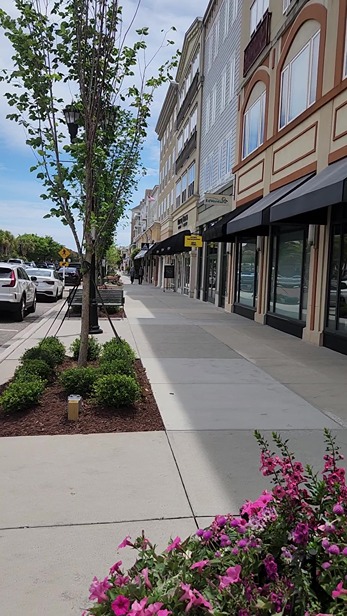 engage more fully as well. The emotional barrier between performer and audience becomes much thinner.
Shortly afterward, another young woman who had been part of the gathering expressed interest in singing as well. Her tastes leaned more toward contemporary material rather than traditional jazz, but versatility is one of my strengths, so we found common musical ground. Together, we moved through songs like “At Last,” “Somewhere Over the Rainbow,” and even Adele’s “Rolling in the Deep.”
At that point, the transformation was complete. What had begun as a solo jazz engagement had become an interactive public gathering with multiple spontaneous collaborators, engaged listeners, and a sense of shared participation that nobody could have planned in advance.
Validation From Market Common
One of the most gratifying aspects of the experience came afterward, when Amanda Palmer from The Market Common publicly reflected on what had happened. Her post beautifully captured the spirit of the afternoon and confirmed that what I had experienced was not merely my own interpretation.
She posted: “It is people like @denniswingemusic that make our community so special. After about an hour of playing jazz music on Howard, Dennis was joined by a crowd of people listening to his music. One woman even requested to sing with Dennis, turning an ordinary evening into one of those spontaneous moments that reminds us what community is all about.”
That kind of feedback meant a great deal to me. It confirmed that the transformation I had felt was visible and meaningful to the event organizers as well. More importantly, it reinforced the idea that the true value of live music often lies not merely in performance quality, but in its ability to create meaningful shared experiences.
What Great Live Music Actually Does
This experience reinforced something I have believed for many years about live performance. Technical skill matters, of course. Professionalism matters, repertoire matters, and reliability matters, but those qualities alone do not fully explain why certain performances leave lasting impressions.
The best live music does more than sound good. It reads the room, adapts to the emotional environment, and creates opportunities for connection. Great performers understand that music is not merely something delivered outward, but something shaped collaboratively through interaction with the people present.
That is particularly true in public spaces and event settings where people may initially arrive disconnected from one another. Music can lower social barriers, encourage interaction, and create a sense of shared emotional experience far more naturally than many other forms of entertainment. That social function is one of music’s greatest gifts.
Why This Meant So Much Personally
Of course, any performer appreciates positive feedback and recognition. It is always gratifying to know that your work resonated with people and that your efforts were appreciated. However,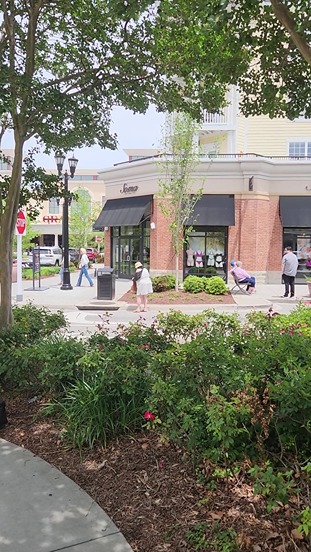 what stayed with me most from this experience went deeper than simple affirmation.
What mattered most was the feeling that something meaningful had happened socially. A public space had become more connected, strangers had briefly become a kind of temporary community, and music had played an active role in making that possible. That kind of experience offers a much deeper satisfaction than applause alone.
Because I am still relatively new to Myrtle Beach, that feeling carried additional emotional weight. Building a life and career in a new place requires faith, persistence, and patience. Experiences like this make the long process of becoming part of a community feel worthwhile.
A Larger Reflection on Music and Community
I am reminded of a thought from Pete Townshend, who once reflected on the idea that the performance itself is not always the most important thing. Rather, the performance can serve as the catalyst for something larger, namely the experience of people being together. That idea has always resonated with me.
I am certainly not comparing a Market Common performance to a massive rock festival. The scale is obviously entirely different. However, the underlying principle remains remarkably similar.
Music often reaches its highest purpose not when it impresses people technically, but when it helps them feel connected to one another. That is what happened during this performance, and that is what made the afternoon memorable.
Final Thoughts
I am deeply grateful to Amanda Palmer and The Market Common for the opportunity to be part of Market Common Fashion Week. Opportunities like this matter greatly to musicians who are working to establish themselves in a new community, and I do not take that trust lightly. The experience was meaningful both professionally and personally.
What made the afternoon special, however, was not simply that I played a successful performance. It was that the music helped create something larger than the performance itself. Listeners became participants, strangers interacted with one another, and a public space briefly became a place of genuine shared connection.
If live music does nothing more than fill silence, it can still be enjoyable. But when it helps transform a space into a true community gathering, it becomes something far more meaningful. That is the kind of musical experience I care most about creating, and I was grateful to experience exactly that at Market Common.
—
If you are planning a wedding, private party, or corporate event and you want to explore your options for musicians to provide live music, book a free music consultation with me or simply write to me on the contact page.

